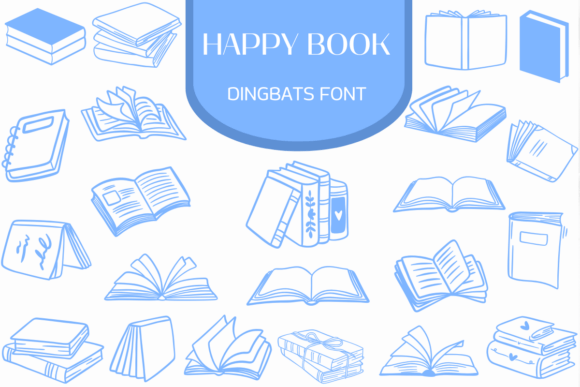
Happy Book: A Playful Dingbats Font for Creative Projects
If you're searching for a typeface that feels both whimsical and versatile, Happy Book might just be the creative spark your next project needs. This dingbats font brings a charming, hand-drawn quality that works beautifully for personal notes, diary entries, and greeting cards, but its appeal extends far beyond stationery. Designers and creators looking for a premium font with personality will find it fits seamlessly into a wide range of applications, from brand identity to social media graphics.
What Makes Happy Book Special?
Unlike standard serif or sans serif fonts, Happy Book carries a unique visual rhythm. Its characters are designed to mimic the look of handwritten notes, giving your text a personal, approachable feel. This makes it an excellent choice for projects where you want to convey warmth, creativity, or authenticity. Whether you're working on logo design, packaging, or editorial layouts, this font adds a touch of handmade elegance that polished modern typography sometimes lacks.
Practical Uses for This Creative Font
One of the strengths of a versatile typeface like Happy Book is its adaptability across different media. Here are a few ways you might incorporate it into your work:
- Greeting Cards and Invitations: Its playful style makes messages feel personal and heartfelt.
- Social Media Posts: Stand out with visually engaging text for quotes, announcements, or stories.
- Packaging Design: Add a artisanal touch to product labels, tags, or boxes.
- Merchandise: Create eye-catching designs for mugs, t-shirts, and stationery.
- Blog Graphics or Web Banners: Use it for headings or accents to draw attention without overwhelming the layout.
Because it's a display font, Happy Book works best in contexts where personality and visual impact are prioritized over dense body text. Pair it with a clean sans serif font for a balanced design that remains easy to read while keeping the overall look engaging.
Tips for Choosing and Using Happy Book
When selecting any creative font for a project, it's helpful to consider a few key factors. First, check the font's readability at the size you plan to use. Happy Book shines in medium to large sizes, so for longer paragraphs, consider using it only for headlines or highlights. Next, think about the mood of your project. This typeface leans toward friendly and informal, making it ideal for lifestyle, education, or family-oriented designs, but it might not suit ultra-corporate branding.
Font pairing is another important step. Try combining Happy Book with a neutral serif or sans serif typeface to create contrast and hierarchy. This helps maintain visual consistency while allowing the dingbats font to stand out as a design accent. Also, review the available styles and characters—some versions may include alternate letters or decorative elements that can enhance your work.
Finally, always verify the font license to ensure it fits your intended use, whether for personal projects or commercial applications. Many premium fonts come with clear licensing terms, so you can use them confidently across different design assets.
Enhancing Your Design with the Right Typeface
A thoughtfully chosen font does more than just display text—it helps shape the viewer's experience. The right typeface can strengthen brand recognition, improve visual cohesion, and make your designs feel more polished and professional. Happy Book offers that rare blend of charm and functionality, making it a valuable addition to any designer's toolkit.
If you're looking to add a touch of warmth and creativity to your work, exploring a font like Happy Book is a great place to start. Its friendly aesthetic and practical versatility make it well worth considering for your next creative endeavor.