Discover Typegrit: A Typeface with Vintage Soul and Modern Edge
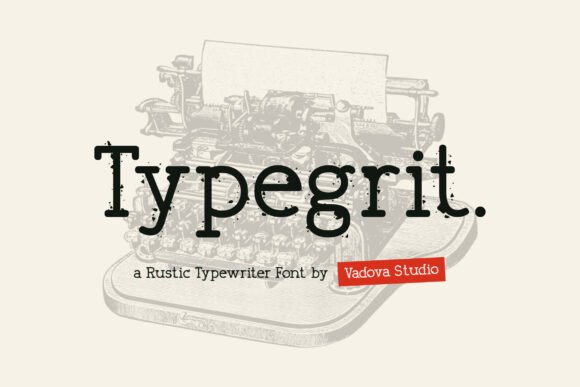
Imagine a font that carries the weight of history, the tactile feel of a well-worn typewriter, and the quiet authority of a printed newspaper. That’s the essence of Typegrit, a rugged and nostalgic serif font designed to inject authenticity and a handcrafted atmosphere into any creative project. It’s more than just a typeface; it’s a design asset that tells a story.
Inspired by the beautiful imperfections of vintage typewriters, Typegrit features raw textures and distressed letterforms. This gives it a warm, analog feel that stands in stark contrast to the clean, digital precision of many modern fonts. The result is a premium font with character—one that evokes a sense of journalistic grit, archival quality, and timeless craftsmanship.
Where Does Typegrit Shine? Exploring Creative Use Cases
The true value of a creative font like Typegrit lies in its versatility. Its unique aesthetic makes it a perfect choice for projects aiming for a specific mood. Consider using it for:
- Editorial & Print Design: It’s a natural fit for zine layouts, book covers, historical infographics, and magazine features that need an authoritative yet approachable voice.
- Branding & Logo Design: For brands seeking an identity rooted in authenticity—think artisanal products, craft breweries, or boutique coffee shops—Typegrit can form the cornerstone of a compelling logo and brand identity.
- Digital & Social Media: Stand out on Instagram with striking quote posts or create engaging social media graphics that have a tangible, story-driven quality. It also works wonderfully for website headers and hero text.
- Packaging & Merchandise: Add a layer of heritage and craftsmanship to product packaging, tote bags, or poster designs that aim to feel both collectible and personal.
- Events & Institutions: Its dignified character is excellent for museum branding, archival projects, or event invitations that require a serious, classic tone.
Tips for Integrating Typegrit into Your Workflow
Choosing the right font download is just the first step. To ensure Typegrit enhances your project effectively, keep these practical tips in mind.
Match the Mood: First and foremost, confirm that the font’s nostalgic, gritty personality aligns with your project’s message. It’s ideal for conveying history, authenticity, and manual craftsmanship.
Prioritize Readability: While Typegrit’s texture is its strength, always test it at the intended size. Its distressed details are perfect for display headings and short bursts of text, but for lengthy body copy, consider pairing it with a highly legible sans serif font or a clean serif for contrast.
Master Font Pairing: Typegrit pairs beautifully with complementary typefaces. Try combining it with a simple, geometric sans serif for a modern contrast, or with a flowing script font for a touch of elegance. This balance creates visual hierarchy and keeps your layout polished.
Check the License: Before finalizing your design, review the font’s license to ensure it covers your intended use, whether for personal projects or commercial work. Understanding the terms is a crucial part of using design assets professionally.
The right typeface does more than just display words; it builds atmosphere, reinforces brand recognition, and elevates the entire visual presentation. Typegrit offers a distinctive voice that can help transform a standard layout into a memorable narrative. When your project calls for depth, texture, and a connection to the analog past, this serif font is a compelling and versatile choice worth exploring.